




2026 Program 2025 Program 2024 Program 2023 Program 2022 Program
2021 Program 2019 Program 2018 Program 2017 Program 2016 Program 2015 Program

Edith Chase Lecture
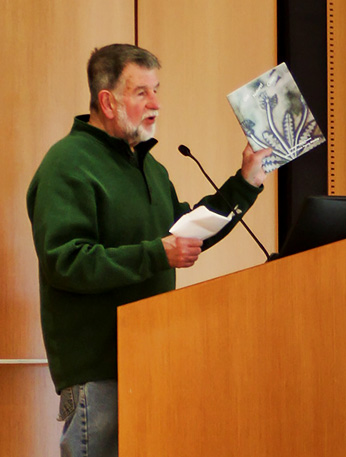
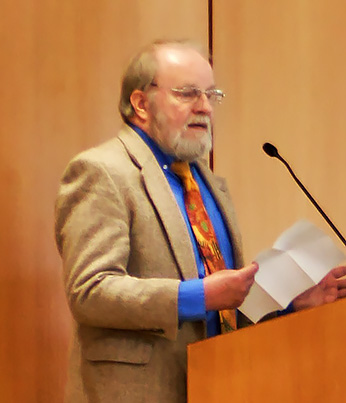
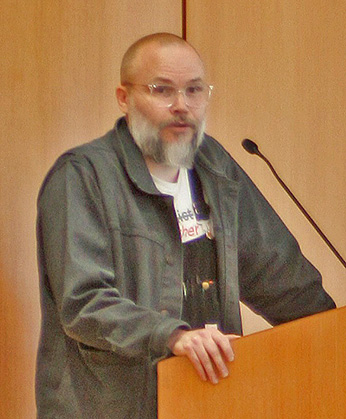
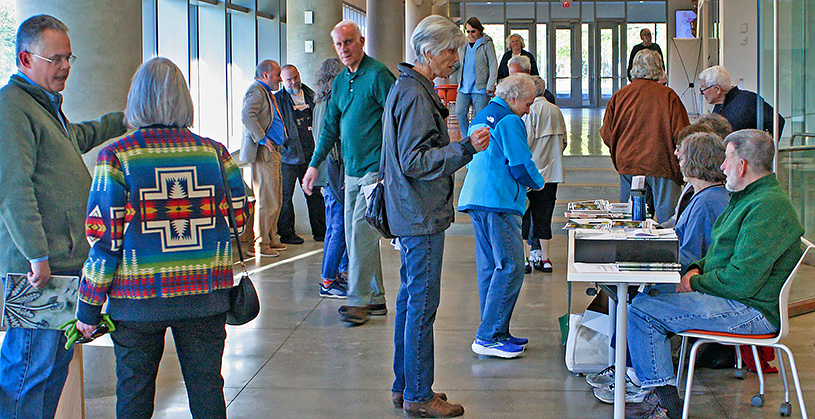
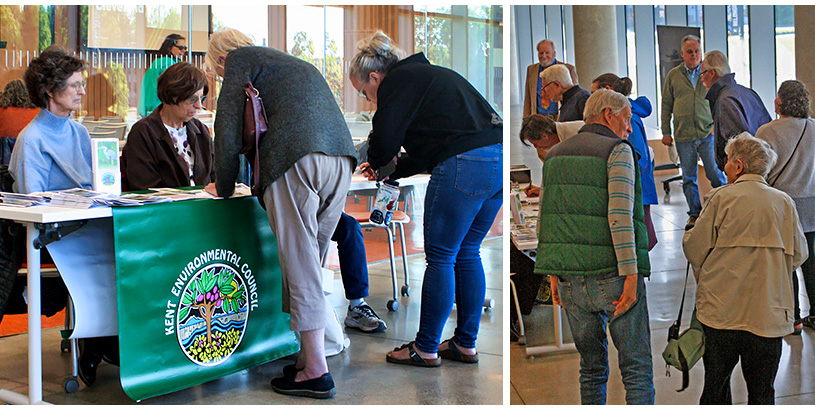
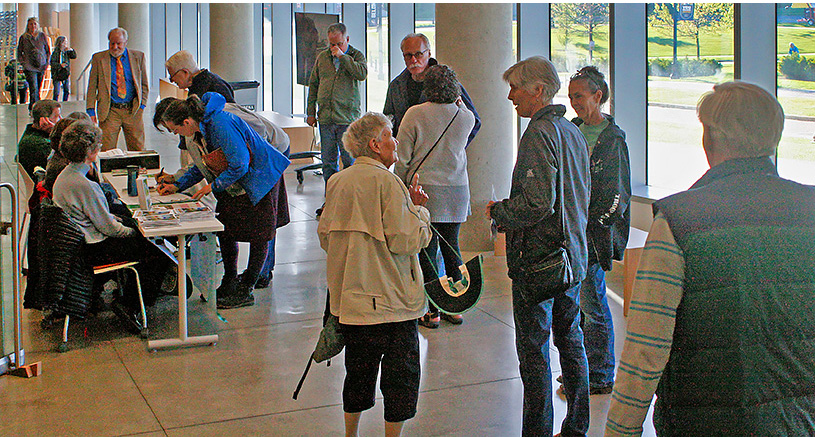
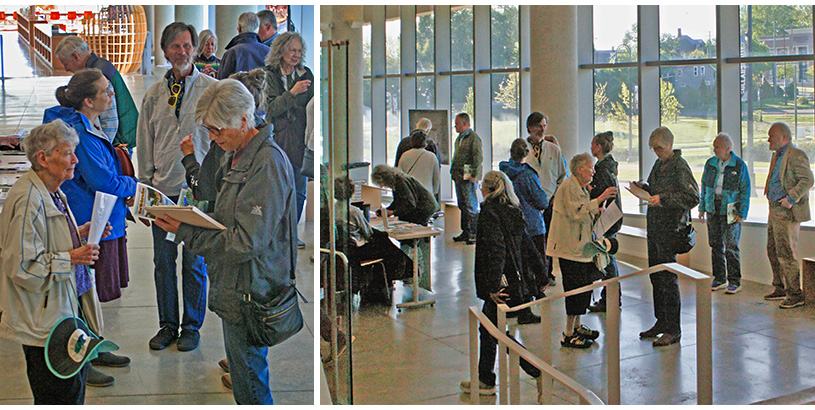
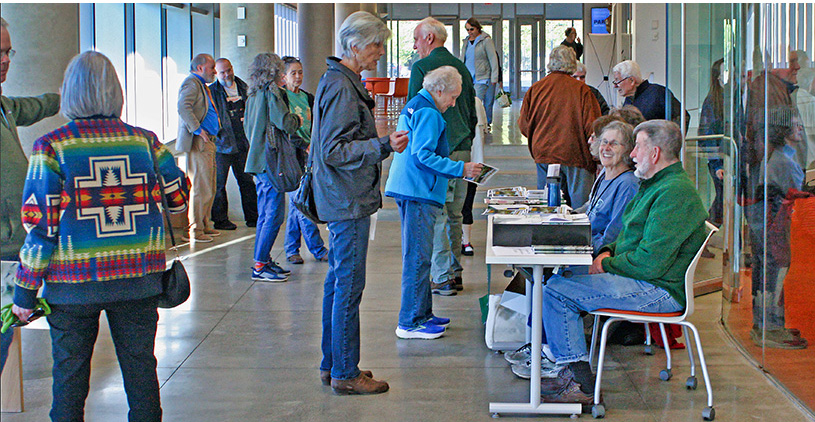
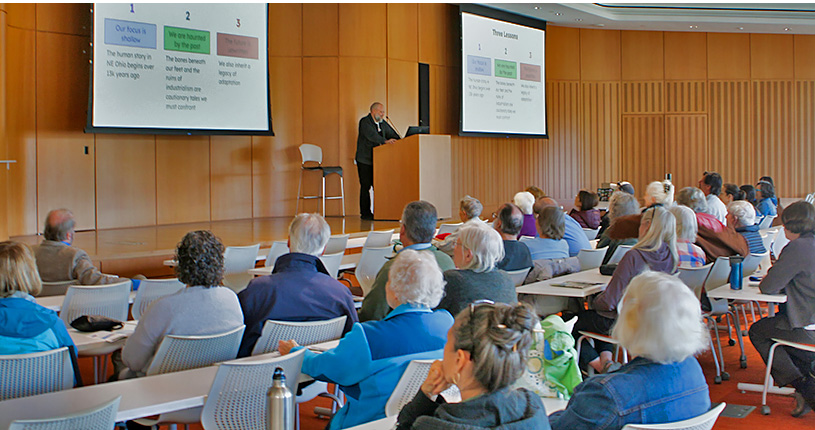
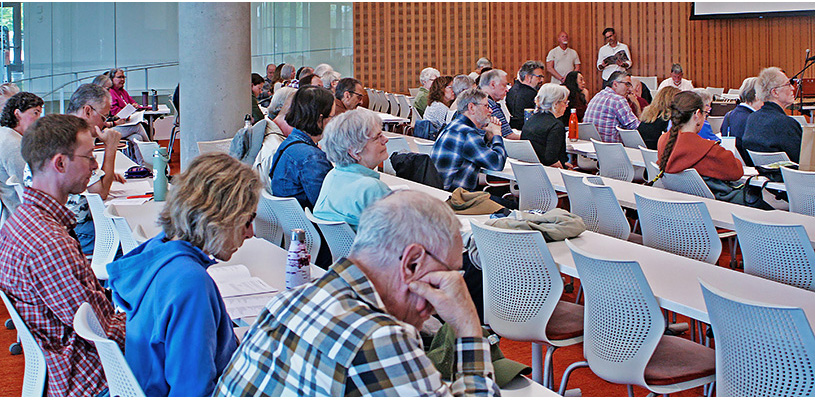
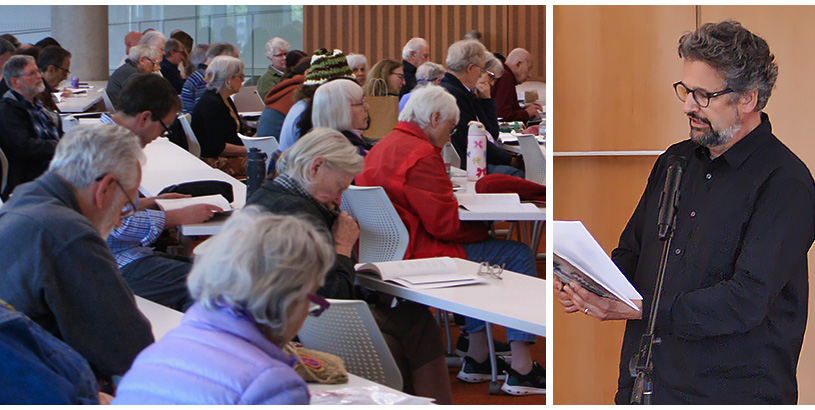
At 7 p.m. Jonathan Wlasiuk, arthor of "An Alternative History of Cleveland" presented "How We Got to Now: Lessons in Local Environmental History" at the KSU College of Architecture & Environmental Design – 132 S. Lincoln St. Kent, OH.
May 15 Poetry
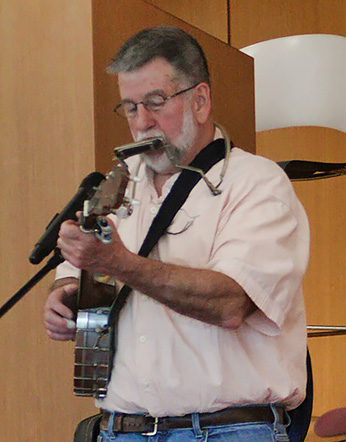
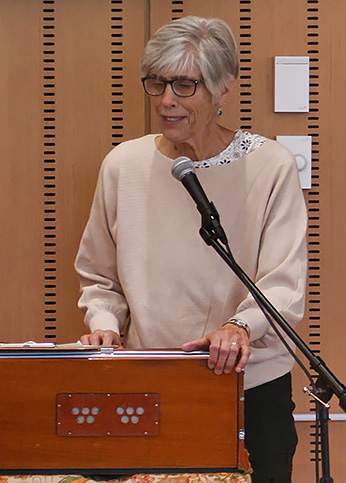
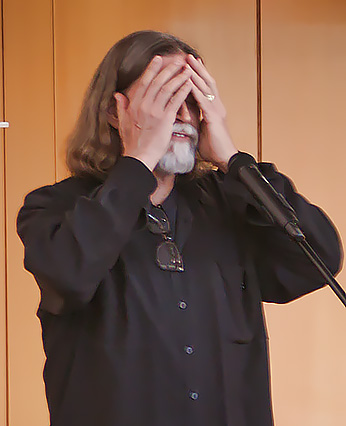
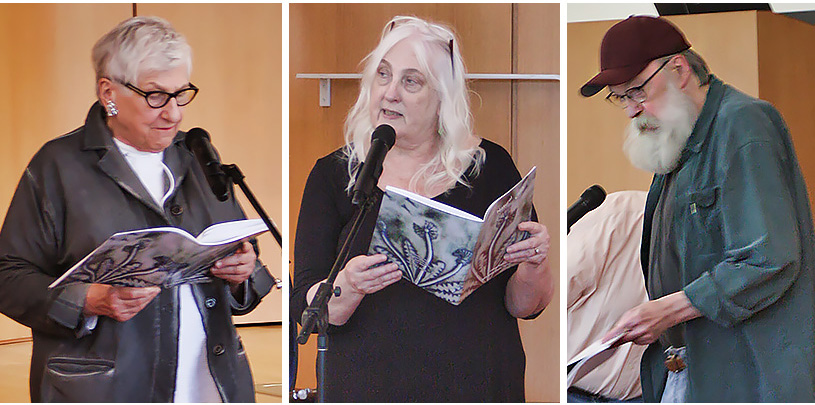
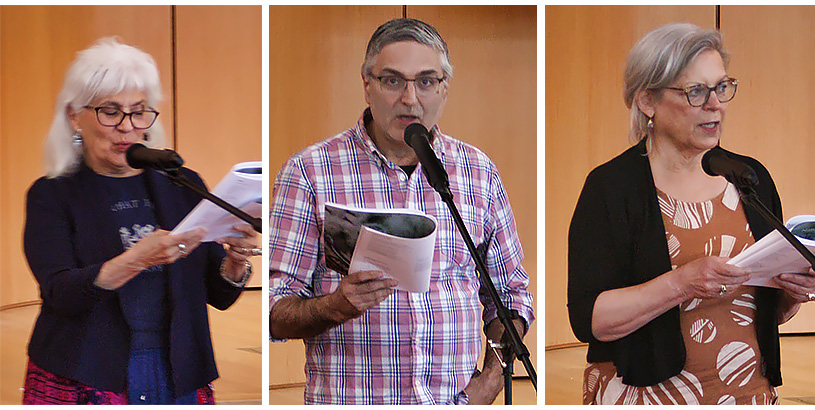
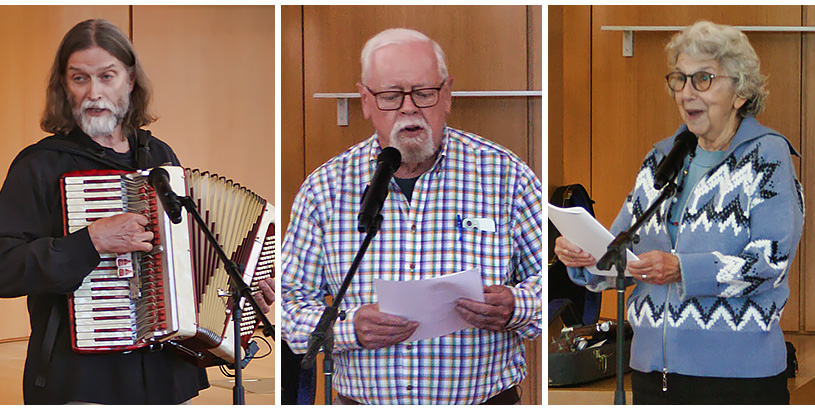
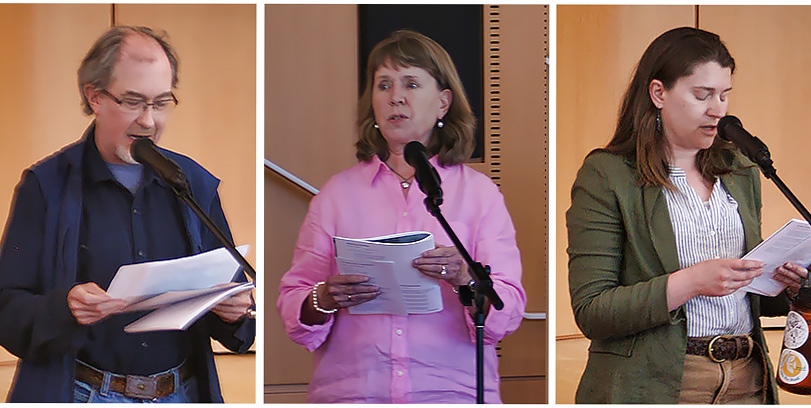
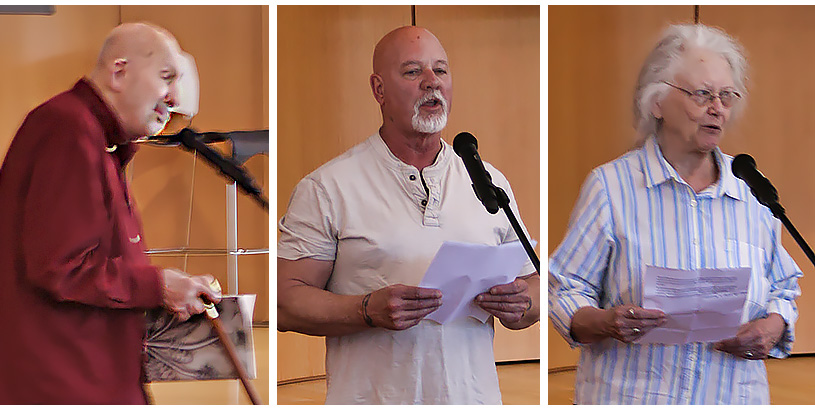
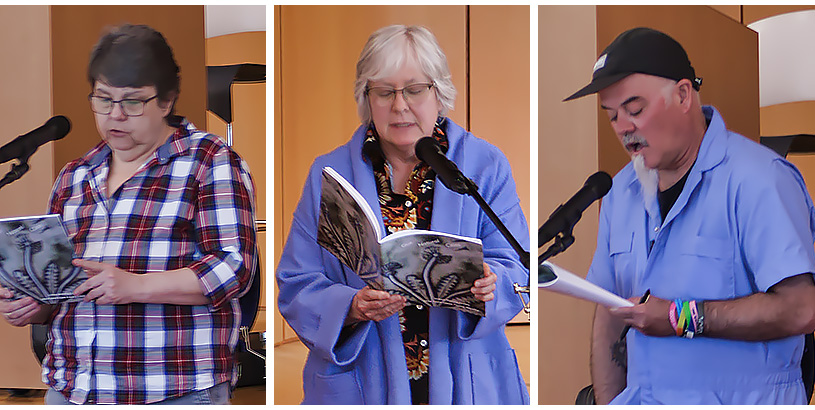
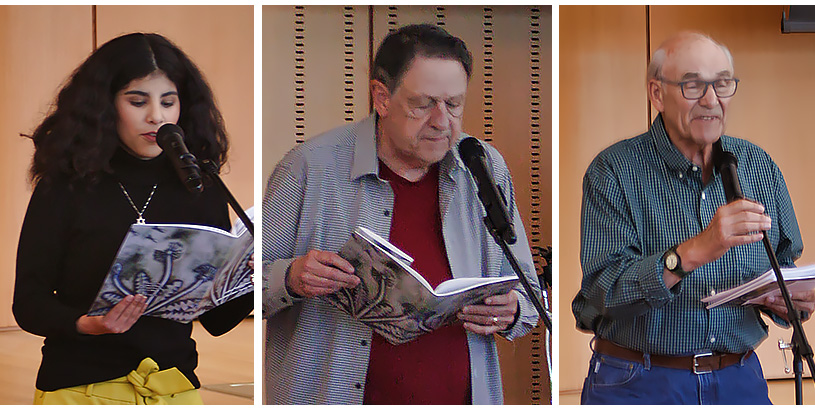
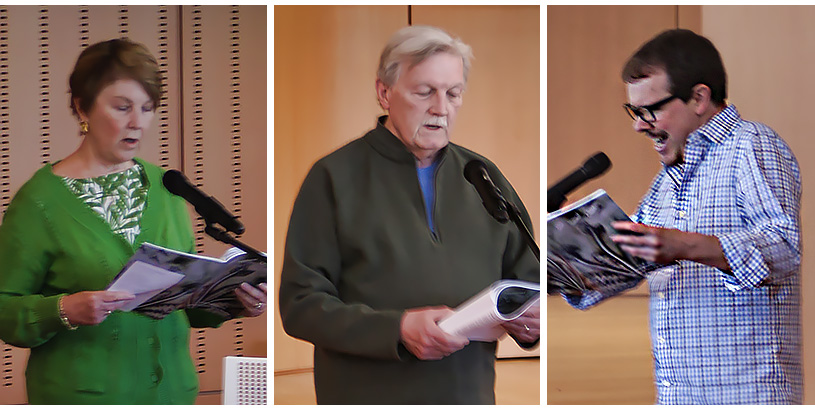
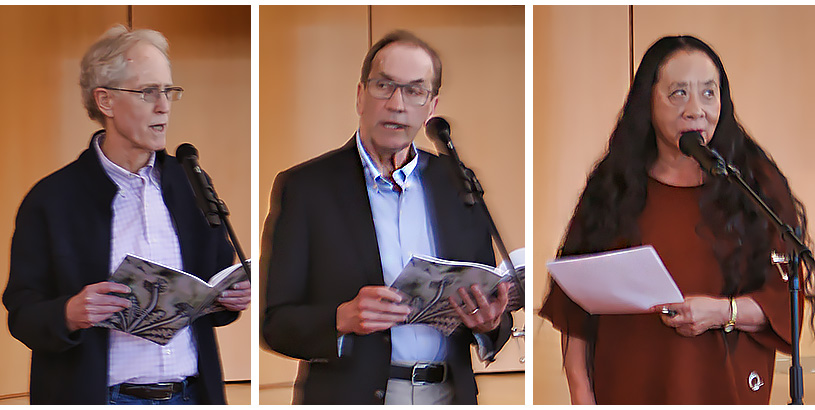
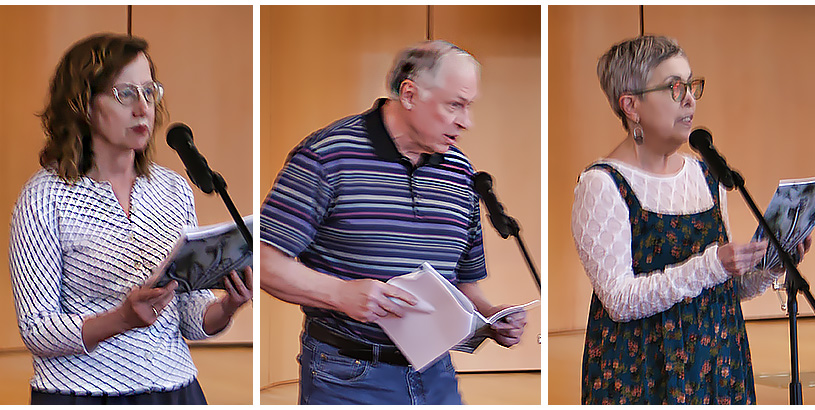
Friday Evening at 4 p.m. Poets from around the State read original poems, "Our Natural Cities, Urban Nature Poems," at the College of Architecture & Environmental Design – 132 S. Lincoln St, Kent Ohio. A new anthology of these poems is available.



Thursday Night’s Presentation
How We Got to Now: Lessons in Local Environmental History
 Our Speaker – Jonathan Wlasiuk
Wlasiuk delved into the natural phenomena of the Cuyahoga River, Lake Erie and the climate in northeast Ohio and described the intersection – and more often, the collision – between these timeless environmental realities and how humans in this area have lived in the past and continue to live today. He harkened back to indigenous cultures who understood and embraced the natural environment, rather than modern cultures who have instead ignored the Patterns at Work in The Environment.
He detailed the tenuous attempt to balance human social and economic needs with the environmental features of this area. In fact, by citing the massive 2003 electrical grid blackout, and the Norfolk and Southern train derailment in East Palestine, Ohio in 2023, Wlasiuk reminded us that things can still go terribly wrong when there is no balance. In both cases, a collision occurred between complex technological developments and the natural environment. As such, Wlasiuk termed these collisions not as one-time incidents, but rather, as a larger representation of an “adversarial relationship” most modern-day urban and suburban communities have with the environment and the natural world.
In the end, Wlasiuk termed the environmental issues we face today as a “consequence of a two-hundred-year-long war against nature that began with white settlement.” As such, he described the purpose of this book as an attempt to get today’s inhabitants of Northeast Ohio to look back in time when other cultures utilized different models to live and thrive on the land. He understands, and hopes that we do as well, that modern technology “does not negate the power of the climate and geology” and their impact on our lives. Indeed, in Wlasiuk’s words, "The river, lake, and the land itself abide by their own laws and we ignore them at our peril."